Offshore Wind and the Growing Threat of Disinformation

By Paul Haines, Head of UK Media Relations

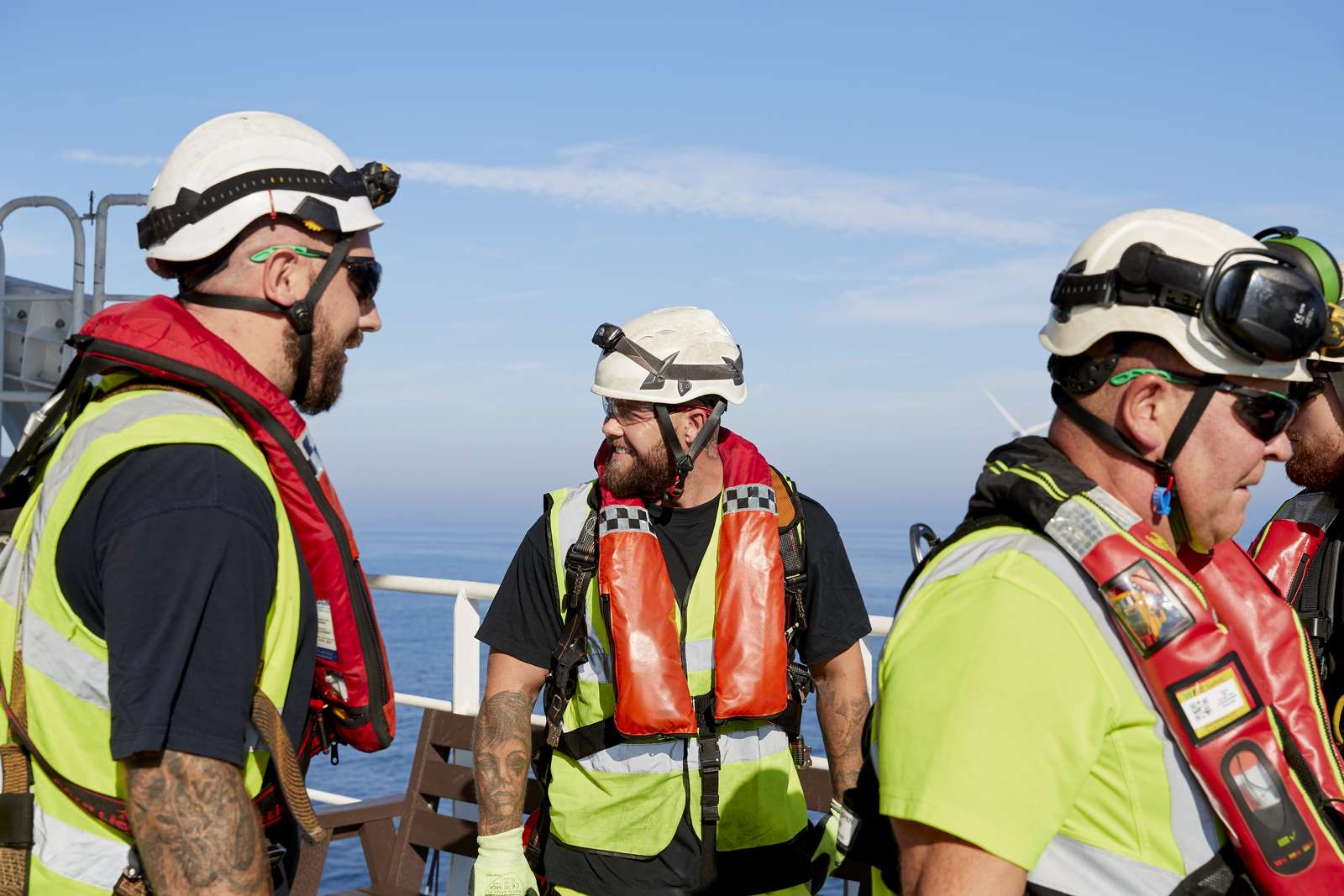
Offshore Wind Technicians out at sea on an service operation vessel
The UK is rightly regarded as a global leader in offshore wind energy. With some of the world's largest offshore wind farms operating in British waters and ambitious targets for future deployment, offshore wind has become central to the UK's energy security, economic growth and net-zero ambitions.

Yet alongside this success has come an increasingly organised and sophisticated wave of disinformation.

This trend should concern not only developers and policymakers, but anyone interested in the quality of our public discourse. While scrutiny of offshore wind projects is both legitimate and necessary, there is a widening gap between genuine debate and the deliberate spreading of misleading information designed to erode public confidence in renewable energy.

One of the greatest challenges to securing the future of the offshore wind industry is no longer simply building turbines – it is increasingly about defending facts.

Misinformation ecosystem  


Many of the claims circulating online follow familiar themes. Offshore wind is portrayed as unreliable, expensive, environmentally destructive or dependent on government subsidies. Individual incidents are often taken out of context and presented as evidence that the system is fundamentally flawed.

In reality, offshore wind, like every form of energy generation, involves trade-offs. 
Paul Haines, UK Head of Media Relations
Paul Haines, Ørsted’s UK Head of Media Relations
Turbines have environmental impacts that must be carefully managed. Grid infrastructure requires new investment. Contracts for Difference (CfDs) are a financial commitment from government but create greater price stability for developers – and most importantly consumers. 

However, these realities are often lost within a wider ecosystem of misinformation where nuance struggles to compete with populist soundbites.

Social media has become a particularly powerful amplifier. A misleading post can reach hundreds of thousands of people within hours. Images, videos and opinions often carry greater emotional weight than detailed technical explanations. Once a narrative takes hold, correcting it becomes significantly more difficult than preventing it from spreading in the first place.

The offshore wind sector faces an additional challenge because much of its activity takes place out of sight. Most people will never visit an offshore wind farm. This creates an information gap that can be filled by inaccurate or misleading claims.

The emergence of AI is accelerating the problem further. AI-generated articles, videos and social media content can now be produced at scale, making it easier than ever for false or misleading narratives to be created rapidly and distributed widely. The volume of content is increasing faster than the industry, media or public's ability to verify it.

The consequences are real. Disinformation can undermine public support for infrastructure projects, delay consenting processes, increase community opposition and create uncertainty for investors. It can also contribute to wider scepticism about policies designed to fight climate change and support energy system decarbonisation.

We need to think differently about communication


This represents a very real strategic risk for the industry. The offshore wind sector therefore needs to begin thinking differently about communication. Too often, the industry assumes that facts alone will prevail. Data is important, but engaging on a more human level and creating trust is almost always more influential.

Transparency is key. The public is more likely to trust organisations that openly acknowledge challenges rather than presenting only positive messages. Discussions around costs, environmental issues, and grid constraints cannot and should not be avoided. Honest conversations build credibility and make it harder for critics to portray the industry as secretive or misleading.

The industry also needs to become more effective at storytelling. Our story is too often told through technical reports, statistics and policy documents. Meanwhile, opponents frequently use powerful narratives centred on cost, fairness and community impact. Facts remain essential, but they need to be accompanied by compelling stories about energy security, skilled jobs, regional regeneration and the role offshore wind plays in reducing exposure to volatile international gas markets.
More effective partnerships with trusted third parties will also prove particularly valuable. Academics, communities benefiting from offshore wind, environmental organisations and independent experts often enjoy high levels of public trust. Building effective coalitions, supporting independent research and facilitating open dialogue may be more effective than relying solely on corporate communications teams.
“The battle for public trust is becoming just as important as the race to deploy new capacity.”
Industry collaboration will be essential. Disinformation affects the entire offshore wind sector, yet responses are often fragmented and company or project-specific. Acting through our industry trade bodies, we should create industry-wide initiatives that monitor misinformation, share intelligence and develop coordinated responses.

Finally, the industry must recognise that trust is earned locally. National statistics rarely change minds if communities feel excluded from decision-making. Genuine engagement with coastal communities, clear explanations of project impacts and visible local benefits can help build resilience against misleading narratives.

Trust generates consent


The UK's offshore wind sector has achieved remarkable progress over the past two decades. It has transformed from a nascent technology into a cornerstone of the country's energy system. However, its future success will depend on more than engineering excellence and financial investment.

The battle for public trust is becoming just as important as the race to deploy new capacity. In an age where misinformation can travel globally in seconds, offshore wind developers cannot afford to treat communications as a secondary consideration. The industry must become as innovative in its engagement strategies as it has been in its technology.

Because ultimately, turbines generate electricity. Trust generates consent. And without public trust, even the most ambitious energy transition risks losing momentum.


Paul Haines is Ørsted’s UK Head of Media Relations. You can hear more from him at Global Offshore Wind as part of a panel discussion on Wednesday 17 June at 14.45 titled, “Offshore wind fact, fiction and future.” He will also be presenting a session titled “Disinformation and the energy transition” on Ørsted’s stand (D10) on Tuesday 16 June at 13.30.  
An Ørsted stand presentation at Global Offshore Wind

Global Offshore Wind 2026

Join us on 16-17 June as we engage in discussions with industry leaders, innovators, and policymakers at the conference in Manchester both on and off the stage.